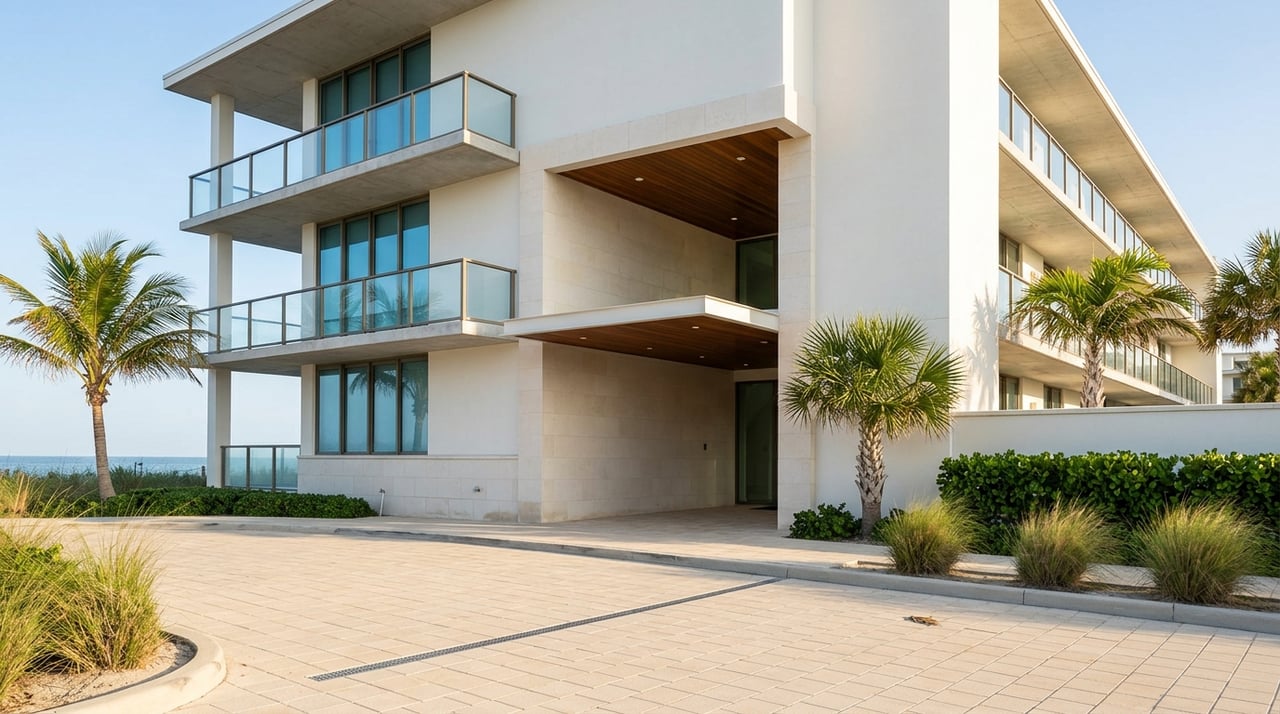
Remote Buyer Guide To Cocoa Beach Oceanfront Condos
June 18, 2026
June 18, 2026
Buying an oceanfront condo in Cocoa Beach from hundreds or even thousands of miles away can feel risky at first. You are not just choosing a view or floor plan. You are also evaluating the building, the condo association, the rental rules, and the closing process without being there in person. The good news is that much of this due diligence can be done remotely in Florida, which gives you a clear path to buy with confidence. Let’s dive in.
When you shop for a Cocoa Beach oceanfront condo, the building matters as much as the unit itself. In a coastal setting, the condition of the structure, maintenance plan, and reserve funding can affect both your ownership costs and your long-term peace of mind.
Florida requires milestone inspections for residential condominium buildings that are three habitable stories or higher by 30 years of age, and every 10 years after that. Local enforcement agencies can move that first deadline to 25 years when salt-water proximity supports it. For a Cocoa Beach buyer, that makes inspection history a core part of your search.
Florida also requires a structural integrity reserve study, often called a SIRS, at least every 10 years. The study must address major components such as the roof, structure, fire protection, plumbing, electrical, waterproofing, windows, and exterior doors, along with other deferred-maintenance items above the required threshold.
For you as a remote buyer, the key question is simple: can the association clearly show current inspection results, reserve planning, and any repair backlog? If the answer is unclear, that is a sign to pause and ask more questions before moving forward.
If you are buying remotely, documents are not background material. They are central to your decision. Florida condominium records can include the declaration, bylaws, rules, meeting minutes, audits, accounting statements, financial reports, plans, permits, warranties, and reserve studies.
Associations can provide records electronically, and larger associations must post key documents on a secure website or app. That can make remote review much easier, especially when you want to compare several buildings without traveling back and forth.
Before you sign, ask for these items:
These documents help you understand how the building is managed, what major projects may be coming, and whether reserve funding appears aligned with future needs.
If you plan to use your condo as a second home, part-time rental, or investment property, rental rules deserve special attention. In Cocoa Beach condos, lease terms, rental caps, approval requirements, and minimum rental periods are generally controlled by the condo documents, not by listing remarks.
That distinction matters. A listing may highlight rental potential, but the association documents are what define what is actually allowed. If rental flexibility is part of your plan, verify it in writing through the governing documents before you commit.
There is also a local tax angle to consider. Brevard County describes its tourist development tax as 5% on short-term rentals of six months or less in condos. If you expect to rent for shorter periods, make sure you understand both the condo rules and the county tax obligation.
Remote buyers have more tools than ever to investigate a property before they ever set foot in Cocoa Beach. The process works best when you cross-check multiple public systems instead of relying on a single source.
Brevard County public records can help you verify different parts of the story. The Clerk of Court official records include deeds, mortgages, liens, declarations of condominium, surveys, and related recorded instruments. The Property Appraiser offers property search and mapping tools for parcel details, ownership, values, sales history, aerials, and condo layers.
Brevard County’s online permitting system also allows public viewing of building permits, contractor information, and code-enforcement records. Together, these systems can help you build a more complete picture of the property and the building behind it.
When reviewing a Cocoa Beach oceanfront condo building remotely, focus on these categories first:
Permit and building records can reveal whether the association has recently addressed expensive coastal maintenance items. That can give you useful context before you review budgets and reserves.
Pay close attention to signs of work involving:
These categories line up closely with the items covered in Florida’s reserve-study framework. If you see recent permits and a matching reserve plan, that can point to a building that is actively managing major components.
Because Cocoa Beach is a coastal market, flood and insurance review should be part of your remote due diligence. Even a beautiful oceanfront unit should be evaluated through the lens of location-specific risk and coverage.
FEMA’s Flood Map Service Center is the official source for flood-hazard maps and amendments. That makes it a practical starting point when you want to understand how the property is mapped.
Florida’s Office of Insurance Regulation notes that flood insurance is usually separate from homeowners coverage, may be required by a mortgage depending on location, and is available to condo unit owners. For you, that means insurance review is not just about the unit policy. It is also about understanding the building’s broader insurance picture and how your lender may view the property.
Photos can help you narrow your options, but they rarely answer every question that matters in an oceanfront condo purchase. Remote buyers usually benefit most from a mix of recorded video, 3D walkthroughs, and live video tours.
A live video showing is especially useful because it lets you ask for details in real time. You can request a slower walk through the unit, a longer look at balcony condition, and a closer view of common areas, parking, and beach access.
For oceanfront condos, ask your showing to cover:
This approach helps you move beyond polished listing media and get a more practical sense of the property.
Florida law recognizes online notarization, which can make remote closings far more convenient for out-of-state and international buyers. An online notarization performed by a registered Florida online notary satisfies notarization requirements regardless of where the signer or witness is located, as long as identity proofing is successfully completed.
Brevard County also supports eRecording for deeds, mortgages, satisfactions, and notices of commencement. That reduces the need for in-person filing after closing and helps support a more streamlined remote process.
In practice, a remote closing often includes:
The exact setup can still depend on lender technology and loan requirements. Even so, Florida’s framework makes fully remote or mostly remote closings more achievable than many buyers expect.
One of the most important remote-buying habits has nothing to do with the condo itself. It involves your wire instructions. This is where caution matters.
The FTC warns that scammers target wire transfers because wired money is often difficult to recover once sent. That is why you should treat wire instructions as a verification step, not a routine email attachment.
Before sending funds, confirm instructions independently through a trusted direct contact method. A careful verification process is a simple step that can help protect your purchase at the finish line.
If you want a clean, organized way to evaluate Cocoa Beach oceanfront condos from afar, follow this workflow:
A remote purchase can absolutely be done well when the process is disciplined. The goal is not just to find a beautiful condo. It is to confirm that the building, documents, and closing path all support a smart decision.
Buying oceanfront property in Cocoa Beach from a distance calls for local insight, careful document review, and a smooth remote strategy from first showing to closing. If you want white-glove guidance through the process, connect with Jamie Dandridge for knowledgeable, concierge-level support tailored to Space Coast waterfront real estate.
Stay up to date on the latest real estate trends.





Trust him for distinguished real estate service along Melbourne Beach’s coast. With his luxury-market expertise, local insight, and dedicated support, he ensures your buying or selling journey is seamless and successful.