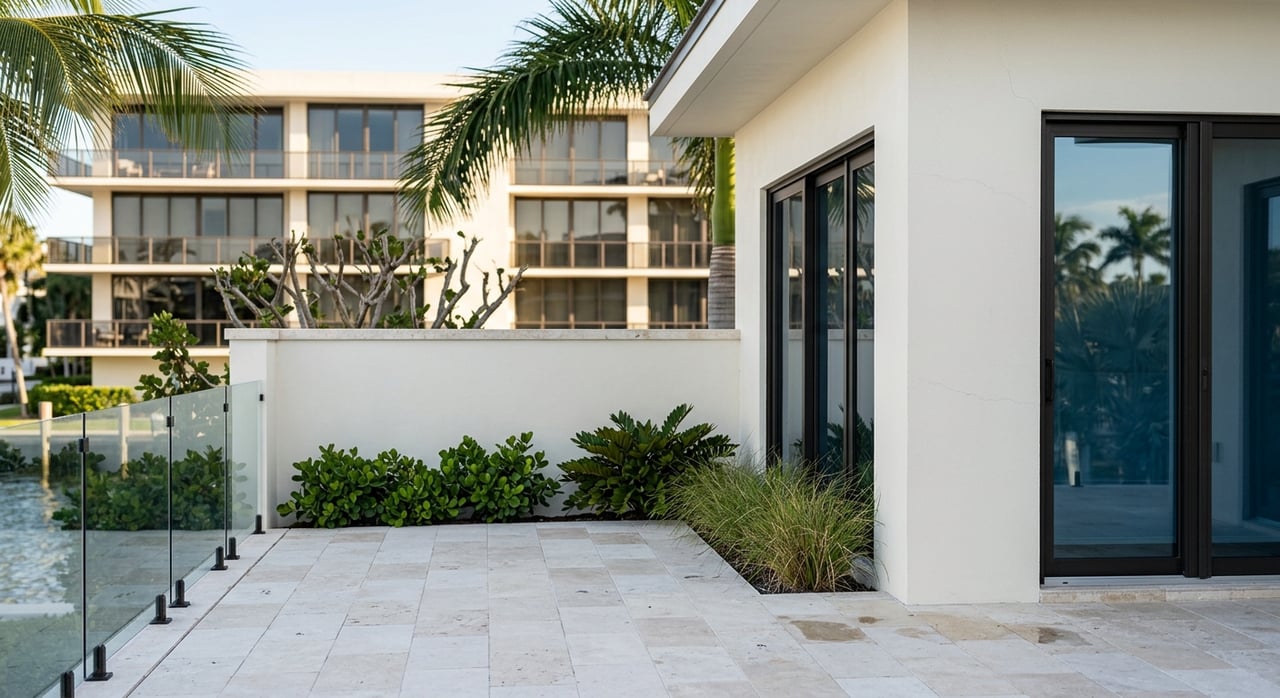
Indialantic Oceanfront Condos vs Homes: How To Decide
May 21, 2026
May 21, 2026
If you love the idea of waking up to the Atlantic in Indialantic, the biggest question may not be whether to buy oceanfront, but what kind of oceanfront property fits your life best. A condo can offer a simpler, more lock-and-leave way to enjoy the coastline, while a single-family home can give you more privacy, land, and control. In this guide, you’ll see how oceanfront condos and homes compare in Indialantic so you can make a more confident decision. Let’s dive in.
Indialantic is a small barrier-island town of about 4,000 residents, set between the Atlantic Ocean and the Indian River Lagoon and connected to the mainland by the Melbourne Causeway. That setting limits direct oceanfront inventory, which is one reason location, lot position, view quality, and building age matter so much here.
Because supply is tight, the difference between a condo and a home is not just about square footage. In Indialantic, you are often choosing between a lower entry point with shared ownership structures or a much larger land premium with more autonomy.
For many buyers, budget is the first filter. In the current Indialantic snapshot, direct oceanfront condos appear to range from about $350,000 to $1.485 million, with a recent condo sale reaching $2.0 million for a premium boutique unit.
Oceanfront single-family homes sit noticeably higher. Recent examples include oceanfront homes valued around $1.34 million, $1.93 million, and an estate around $5.63 million on 1.59 acres.
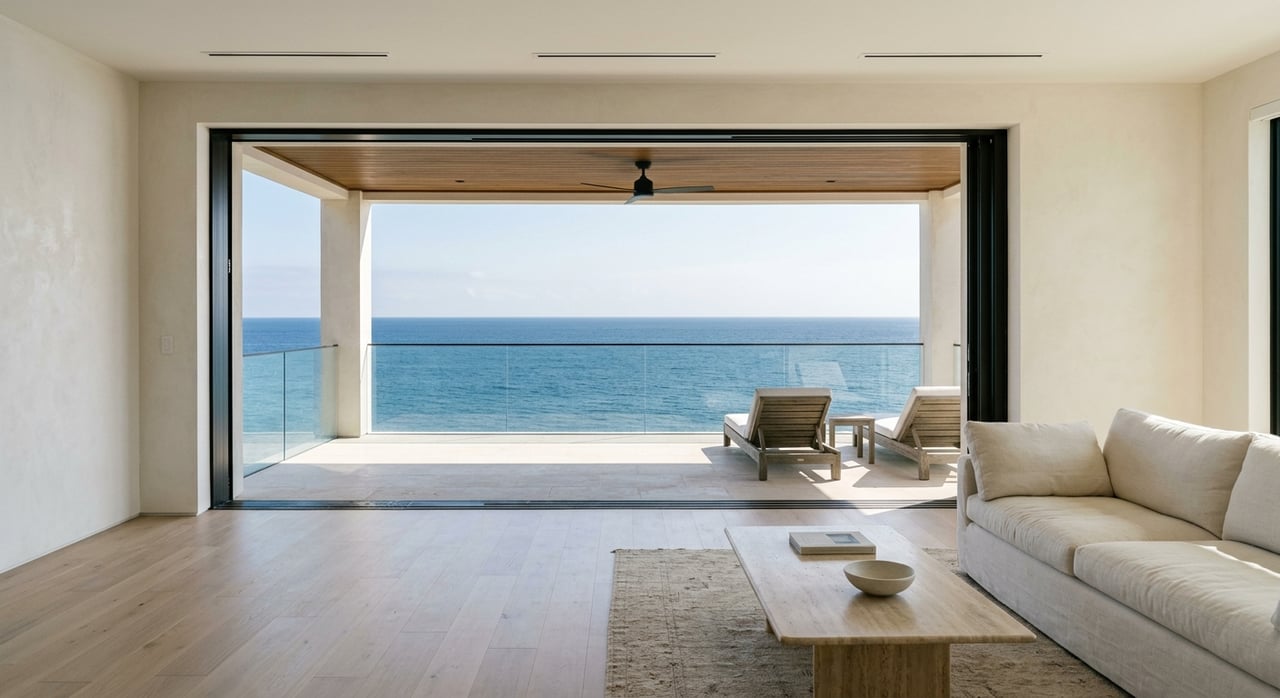
In simple terms, condos usually give you a more accessible way to own on the same stretch of coastline. You may still get direct ocean views, beach access, and desirable amenities, but without paying the same land cost attached to a detached oceanfront home.
A home, on the other hand, usually carries a significant premium because you are buying the structure and the land underneath it. In a place like Indialantic, where oceanfront lots are limited, that land value can become a major part of the purchase.
An oceanfront condo often works well if you want convenience and lower day-to-day property oversight. Current Indialantic condo listings highlight features like secure entry, private beach access, resort-style amenities, and in some cases smaller boutique buildings.
That setup can be especially appealing if you want a second home, a seasonal retreat, or a property that is easier to leave for stretches of time. You still get the beach lifestyle, but with more shared responsibility for the building and grounds.
Florida condo ownership comes with a different legal structure than fee-simple home ownership. Under Florida’s Condominium Act, the association is responsible for maintaining common elements, and owners are governed by the condominium statute, declaration, and bylaws.
That means your ownership experience can be more rule-driven than a detached home. It can also mean less freedom to make material changes to shared spaces or exterior elements unless the governing documents allow it.
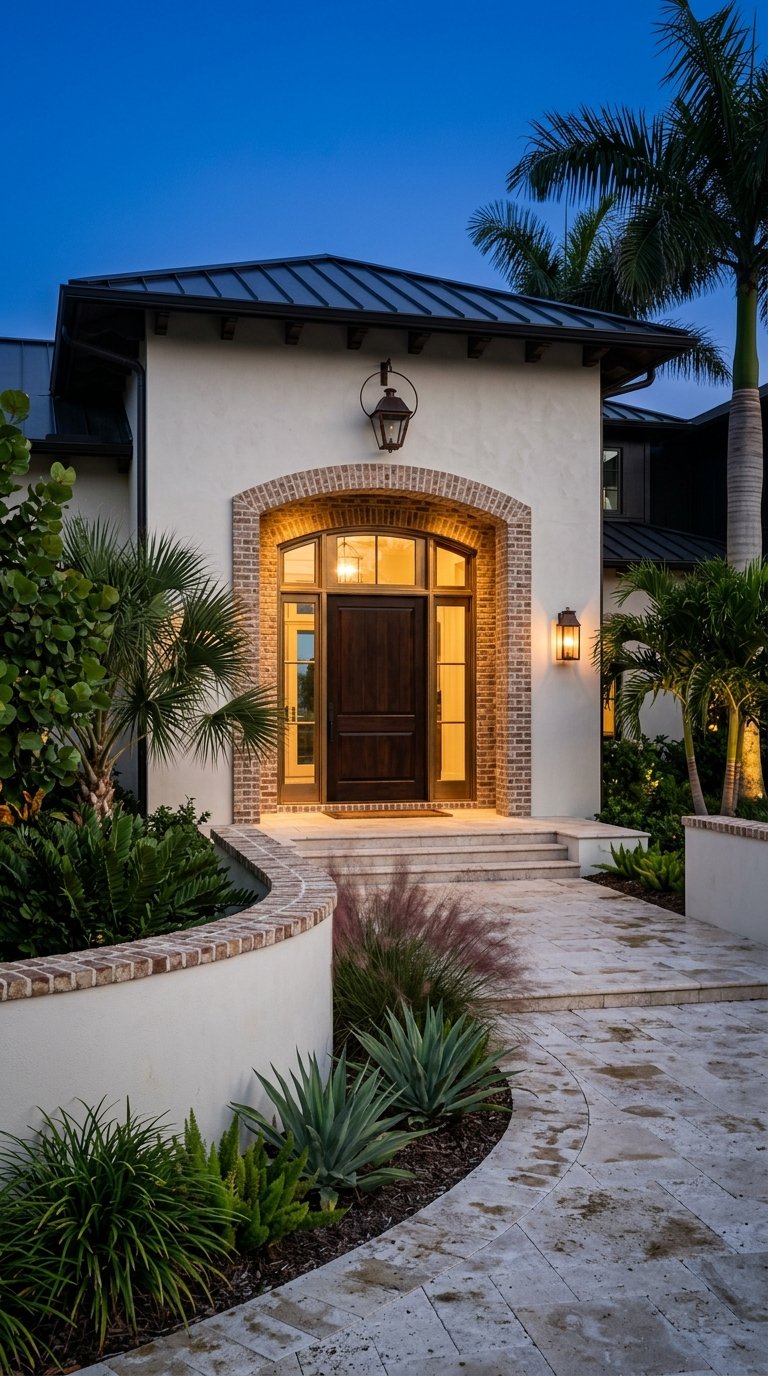
If privacy, land, and flexibility are high on your list, a single-family oceanfront home may be the better fit. Current Indialantic examples show lots around 0.65 to 0.67 acre, and one estate spans 1.59 acres with gated privacy, a private pool and spa, and no HOA.
That kind of property can give you more room for entertaining, longer stays, or multigenerational use. It can also offer more personalized features such as larger garages, boat or RV parking, storm shutters, or impact windows.
More freedom also means more responsibility. If there is no HOA, you are generally taking on exterior maintenance, storm hardening decisions, and the ongoing cost of caring for the property yourself.
That can be a worthwhile trade for many buyers, especially those looking for a more legacy-style oceanfront asset. Still, it is important to go in with a clear picture of the true maintenance load, not just the purchase price.
This is where the condo-versus-home decision becomes very practical. Current Indialantic oceanfront condo listings show monthly dues around $785, $905, $1,100, $1,200, and $1,370, depending on the building.
Those dues may reflect insurance, reserves, amenities, and maintenance obligations, but they vary widely from one building to another. One current listing even highlights strong reserves and no current assessments, which shows how much building health can shape the ownership experience.
For many oceanfront condo buyers, the reserve picture is one of the most important parts of due diligence. Florida DBPR states that a residential condominium association must complete a Structural Integrity Reserve Study for buildings that are three habitable stories or higher.
DBPR also states that structural inspection reports and reserve studies are part of the association’s official records and must be provided to potential purchasers. In practical terms, that means you should treat the building’s reserve health and capital planning as part of the property’s value, not a side detail.
If you plan to rent the property, you need to look beyond the broad condo-versus-home debate. In Indialantic, rental rules are location-specific rather than uniform.
The town code permits vacation rentals in T Tourist Districts, while another district regulation snippet lists vacation rental among prohibited uses. The key takeaway is simple: you cannot assume a property is rentable just because it is oceanfront.
Current listings show that some condo communities may allow short-term rentals, while others appear to function more as owner-occupant or long-term lifestyle properties. That means zoning, condominium documents, HOA rules, and the specific property setup all need to align.
The same careful review applies whether you are considering a condo or a home. If rental flexibility matters to you, it should be one of the first questions you ask before you fall in love with the view.
The best choice usually comes down to how you want to use the property. If you want easier ownership, shared amenities, and a lower entry point into Indialantic oceanfront living, a condo may be the better match.
If you want privacy, land, design freedom, and more direct control over the property, a single-family home may be worth the higher price and added responsibility. Neither option is automatically better. The right fit depends on your priorities.
| If you want... | You may prefer... |
|---|---|
| Lower entry cost | Condo |
| Lock-and-leave convenience | Condo |
| Shared amenities | Condo |
| More privacy | Home |
| More land and outdoor space | Home |
| Greater control over improvements | Home |
| Potentially lower monthly ownership governance | Home |
Before you decide, it helps to compare each property through the same lens. A clear checklist can keep emotion from taking over too early.
In Indialantic, oceanfront condos and homes serve different goals, even when they share the same shoreline. Condos often offer a more attainable and lower-touch path to coastal ownership, while homes tend to deliver more privacy, land value, and flexibility at a higher price point.
If you are weighing both options, the smartest move is to compare not just the view and finishes, but also the ownership structure, monthly carrying costs, reserve health, rental rules, and how you plan to use the property over time. That is where a good decision becomes a confident one.
If you’re considering an oceanfront condo or home in Indialantic and want a clear, local perspective on which properties best fit your goals, connect with Jamie Dandridge for tailored guidance.
Stay up to date on the latest real estate trends.

Trust him for distinguished real estate service along Melbourne Beach’s coast. With his luxury-market expertise, local insight, and dedicated support, he ensures your buying or selling journey is seamless and successful.