Intracoastal vs Oceanfront Cocoa Beach Living Guide
November 21, 2025
November 21, 2025
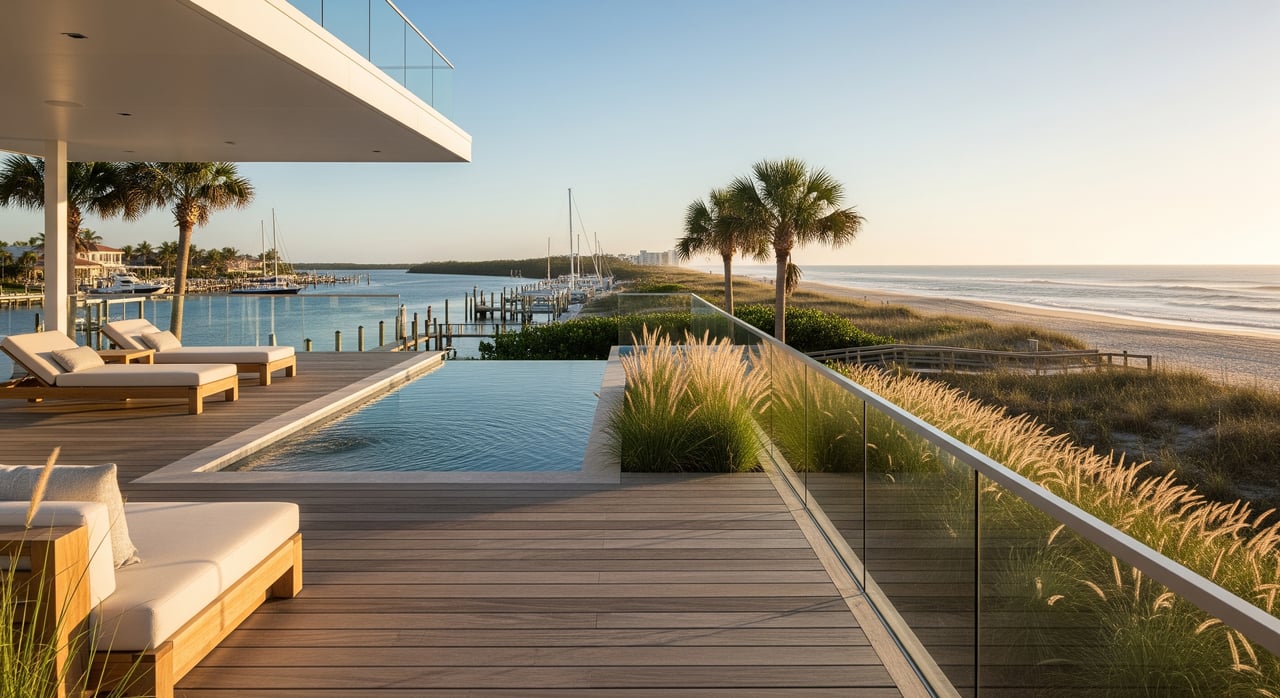
Salt air, sunrise surf, or glassy lagoon sunsets. If you are comparing Cocoa Beach living on the Intracoastal side versus the Atlantic oceanfront, you are choosing between two great waterfront lifestyles. You want the right blend of boating access, beach time, maintenance realities, and long-term value. This guide gives you a clear, practical comparison so you can move forward with confidence. Let’s dive in.
Cocoa Beach sits on a barrier island with the Atlantic Ocean to the east and the Banana River and Indian River Lagoon to the west. The lagoon side is part of the Intracoastal Waterway and is generally calmer and more protected. Just north, Port Canaveral and the Cape Canaveral Inlet provide major ocean access for boaters and support commercial traffic. You will feel different winds, waves, and daily rhythms depending on which shoreline you choose.
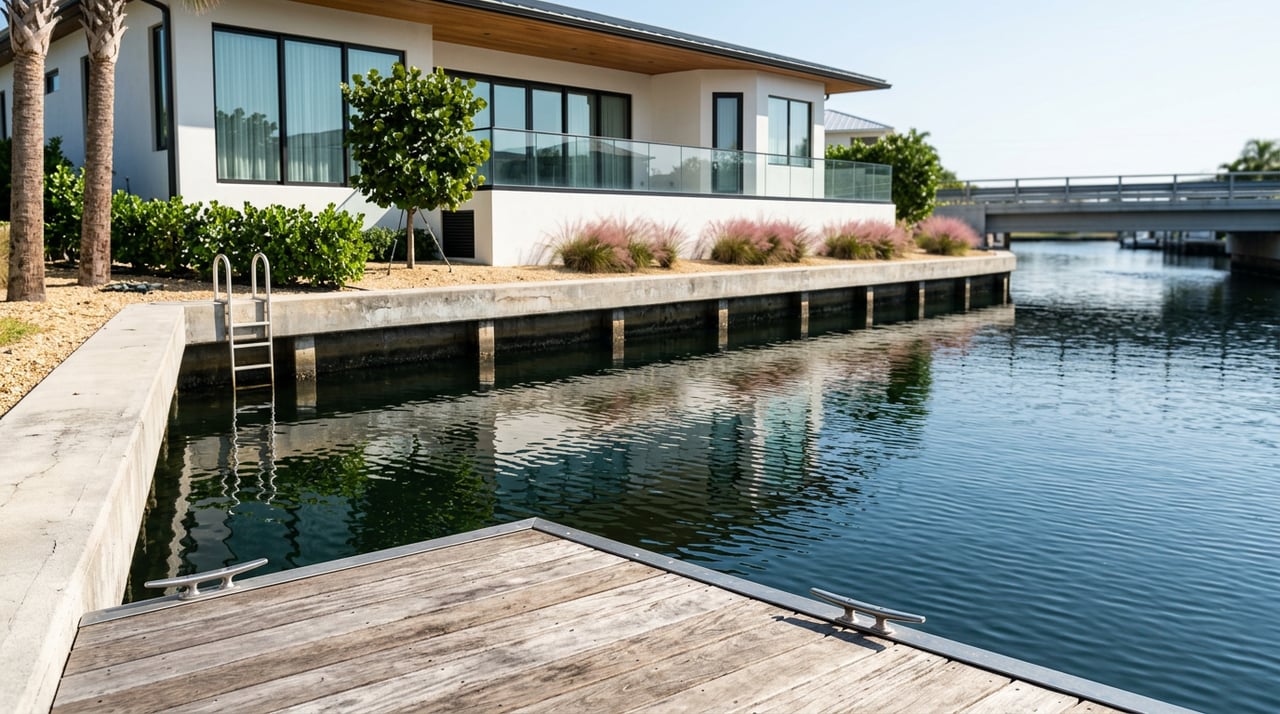
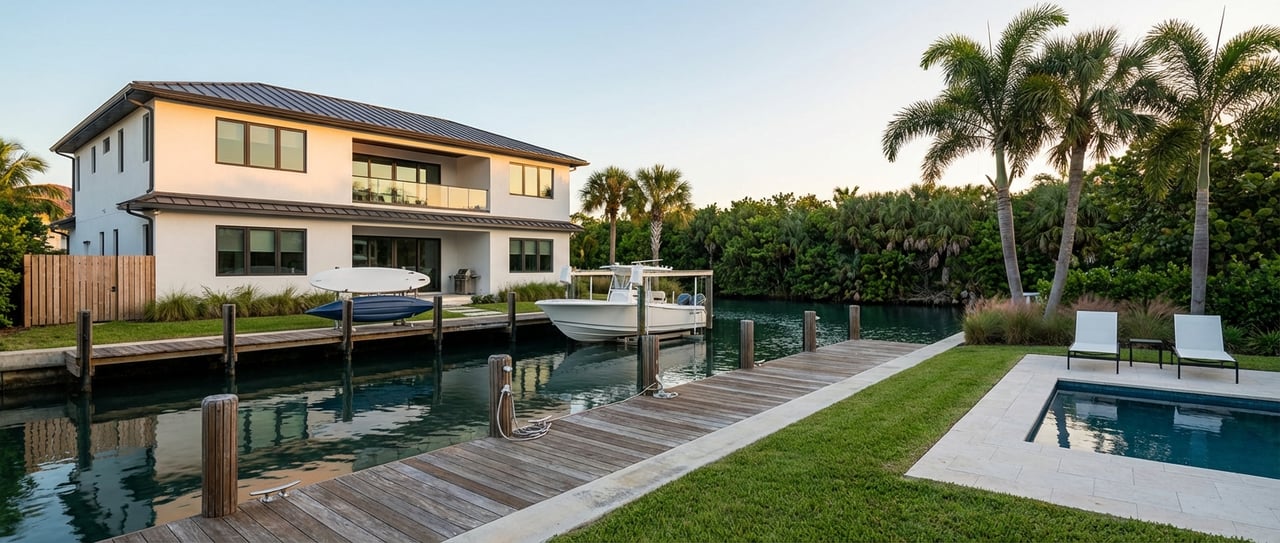
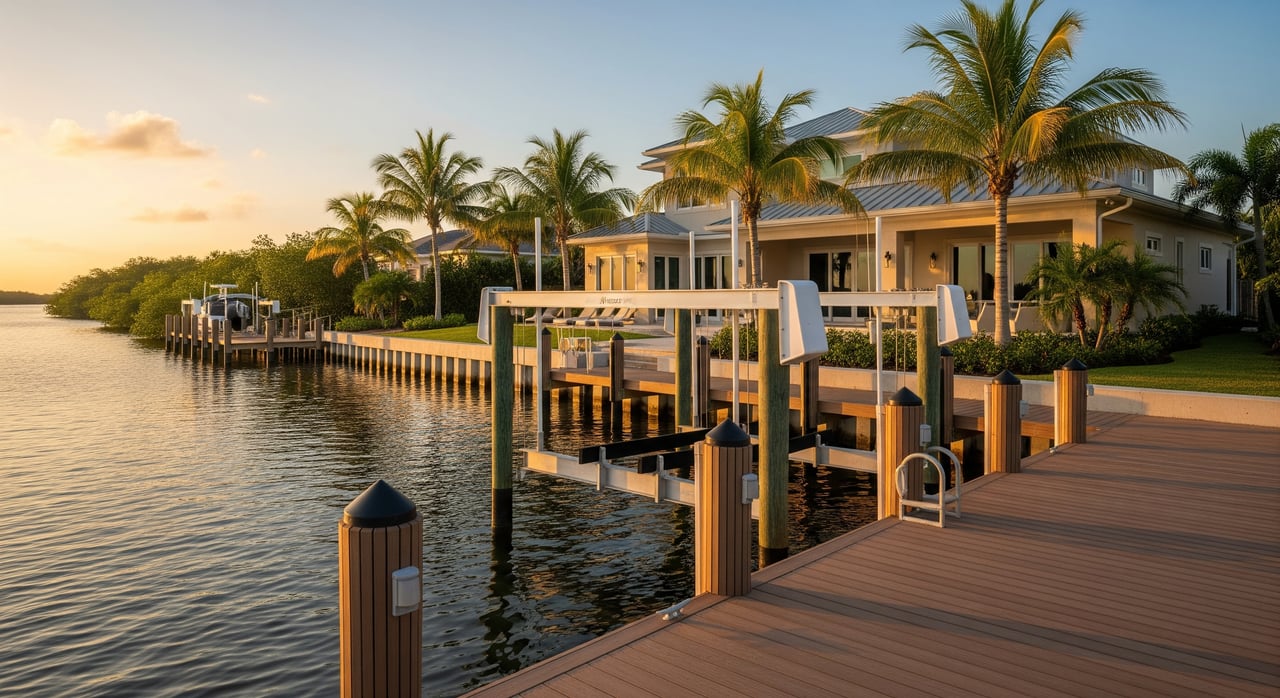
If you value boating and calmer water, the Intracoastal side is often ideal. Many single-family homes and some condos have private docks and boat lifts. You can kayak, paddleboard, and fish in protected waters that are more forgiving for everyday outings. Shallow-draft boats and center consoles are common, but always confirm canal depths and fixed bridge clearances before you buy.
Expect quieter water, softer breezes, and beautiful sunset views over the lagoon. You may hear weekend boat traffic more than surf. Beach access is still convenient by bike or a short drive to public access points and the Pier. On rocket launch days, many lagoon homes enjoy clear views without the beach parking crowds.
Intracoastal properties often include seawalls, bulkheads, and private docks that require periodic maintenance and permits for repairs. You avoid direct surf and dune erosion, but flood risk still applies, especially in FEMA A or AE zones. Elevated construction and storm preparedness remain important across the island.
Choose the Intracoastal if you prioritize boating logistics, calmer water for family recreation, and sunset-facing views. It also fits owners who prefer single-family homes with private docks and more private, sheltered living.
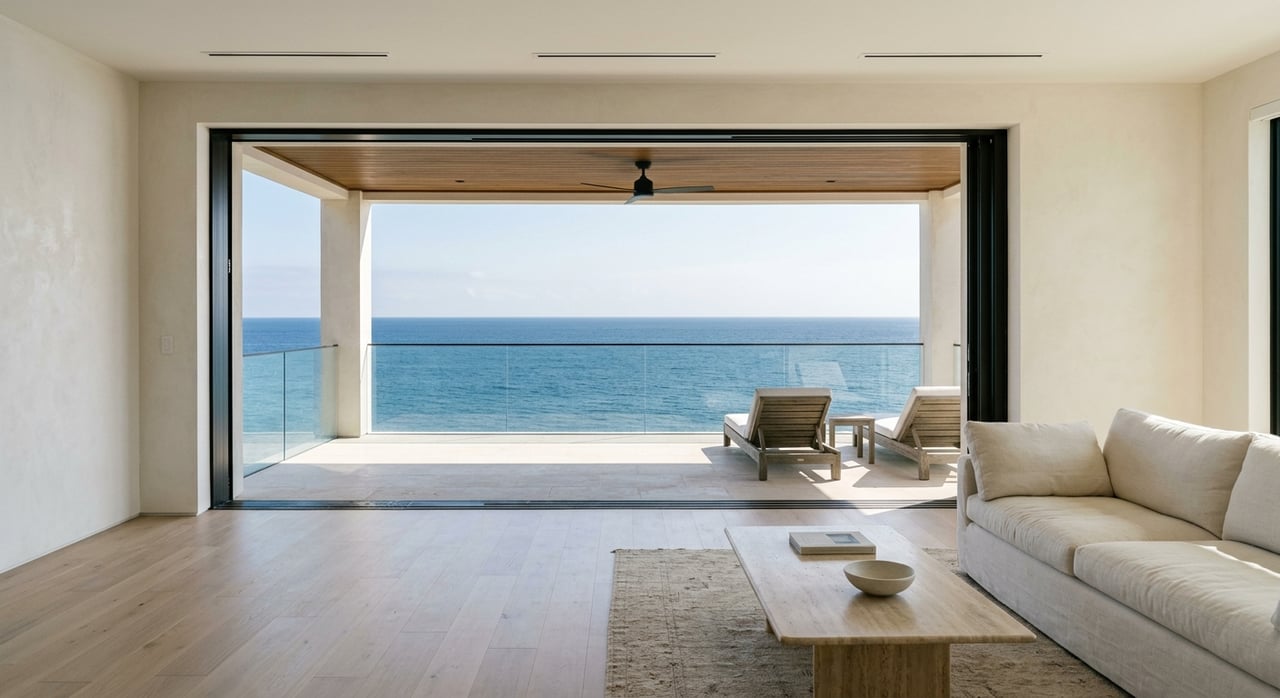
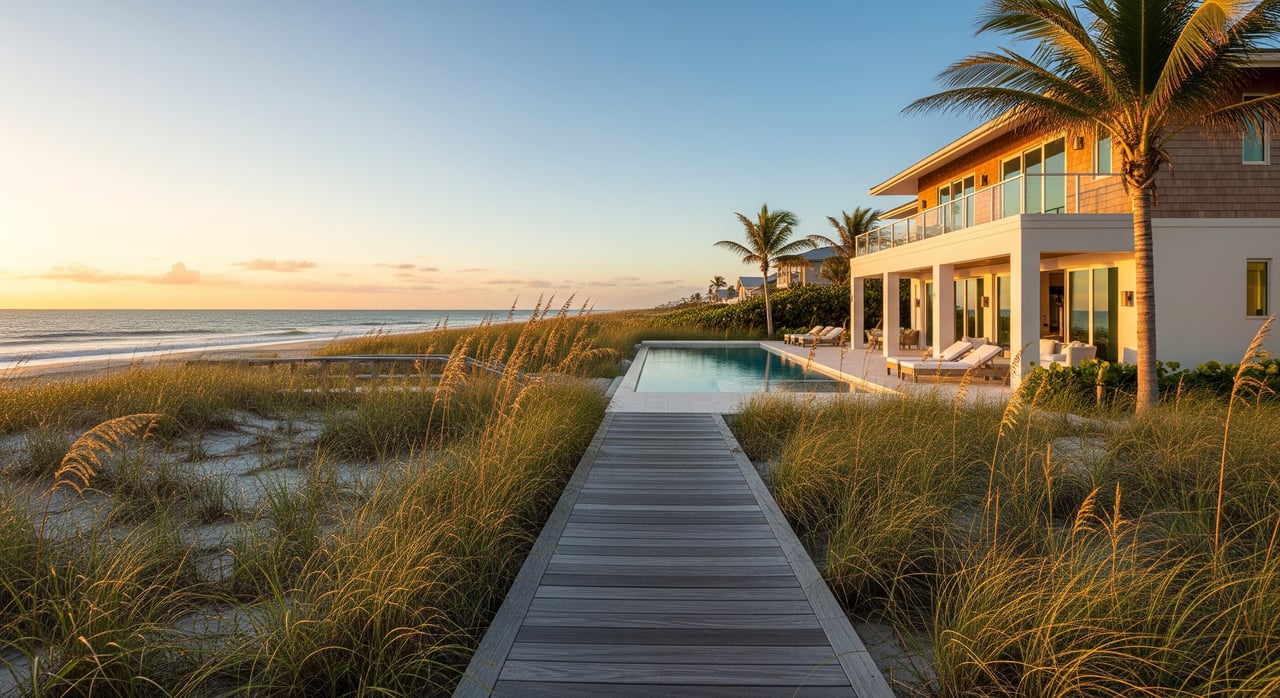
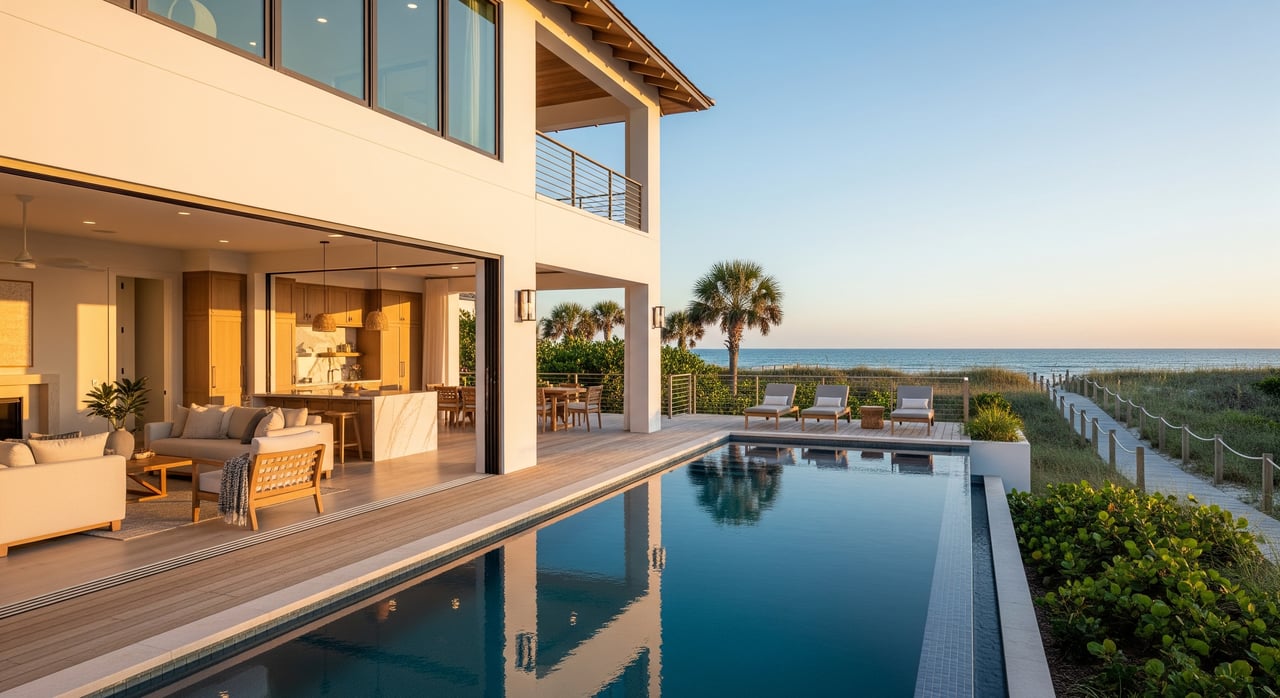
Oceanfront is about immediate sand access, sunrise views, and the sound of the surf. You are steps to surfing, ocean swimming, and beach walks. Private docks on the ocean side are rare due to dunes, surf conditions, and regulations, so boaters usually keep vessels on the lagoon side or at marinas, then reach the Atlantic through the Port Canaveral inlet.
You will experience stronger onshore winds, ocean swell, and the white noise of waves. The beach can be busier during peak season and around the Pier or public access points. Launch days are an event, and oceanfront vantage points can be spectacular. If you love early morning beach time and unobstructed ocean views, this side delivers.
Oceanfront homes and condos face heavier salt spray and wind. Expect more frequent attention to exterior metals, HVAC systems, siding, and roofing. Construction and alterations near the beach trigger stricter rules, including the Coastal Construction Control Line, which can affect rebuilds and dune work. Many oceanfront options are condominiums with HOA fees that cover common elements, exterior maintenance, and shared amenities.
Choose the oceanfront if your top priority is direct beach access, daily surf, and sunrise views. It also fits owners who prefer condo amenities and are comfortable with coastal maintenance and stricter beachside regulations.
From most Intracoastal locations, ocean access routes run north to Port Canaveral and out the inlet. This is the regional gateway for offshore fishing and cruising. The lagoon provides protected travel most days, which is less weather-dependent than running a boat directly through open surf.
Confirm water depths on your canal or channel, especially at low tide. Verify fixed bridge heights along your planned route to Port Canaveral. If you already own a vessel, measure it against local depth charts and bridge info to avoid surprises.
If your home lacks a private dock, consider local marinas for dry storage or wet slips. Slip availability can tighten around holidays and peak season. Plan ahead if you anticipate frequent offshore runs or a larger boat.
Flood and wind coverage are a core part of ownership in Cocoa Beach. Many oceanfront parcels fall into higher-risk FEMA flood zones such as VE, where lenders typically require flood insurance and premiums can be higher. Intracoastal properties may sit in A or AE zones and can still require flood coverage. Elevation of the lowest habitable floor and the use of pilings can help reduce risk and premiums.
Wind exposure affects both sides of the island, and Florida’s insurance market changes frequently. Obtain quotes from multiple carriers and Citizens, the state insurer of last resort, early in your process. Ask for the current renewal invoices and any claim history for a property, not just estimates. Finally, confirm lender requirements and whether premiums will be escrowed.
The Florida Coastal Construction Control Line affects many oceanfront parcels. Building, rebuilding, or altering structures near the dune system often requires additional approvals and compliance with coastal standards. Understand these constraints before you plan new construction or major renovations.
On the Intracoastal, docks, lifts, seawalls, and dredging require permits through county and state agencies. Approvals can take time and may include environmental studies. Verify that existing shoreline structures are permitted and in good condition.
The Indian River Lagoon and Banana River are ecologically sensitive. Stormwater management, shoreline alterations, and runoff are regulated. Work with professionals who understand lagoon protections, especially if you plan landscaping that affects the water’s edge.
Whether you are narrowing your search to a specific canal or to a stretch of sand, you deserve guidance from a local team that navigates docks, dunes, insurance, and permitting every day. If you want a curated list of Cocoa Beach properties that match your lifestyle and a plan to verify flood, elevation, and ownership details, reach out to Jamie Dandridge. You will get white-glove support grounded in third-generation Space Coast expertise and global reach.
Stay up to date on the latest real estate trends.

Trust him for distinguished real estate service along Melbourne Beach’s coast. With his luxury-market expertise, local insight, and dedicated support, he ensures your buying or selling journey is seamless and successful.