Living in Melbourne Beach, FL: A Local’s Perspective
February 5, 2026
February 5, 2026
Picture yourself greeting the sunrise over the Atlantic, then winding down with a quiet walk along the Indian River Lagoon as dolphins roll past. If you want a slower coastal rhythm without losing access to jobs, airports, and daily essentials, Melbourne Beach may be the balance you’re looking for. In this guide, you’ll learn how the town lives day to day, what the housing landscape looks like, and what to consider before you buy. Let’s dive in.
Melbourne Beach is a small barrier‑island town on Florida’s Space Coast in Brevard County. It sits between Indialantic to the north and Grant‑Valkaria to the south, with the Atlantic Ocean on one side and the Indian River Lagoon on the other.
You’ll feel the small‑town scale here. The population is roughly 3,000 residents, which gives the area a quieter, low‑density feel compared with nearby coastal hubs. Downtown Melbourne and Cocoa Beach are an easy drive for dining and entertainment when you want more options.
You can reach Melbourne Orlando International Airport in about 20 to 30 minutes depending on traffic. Orlando International Airport is typically a little over an hour away by car. Kennedy Space Center and Titusville are commonly a 30 to 60 minute drive north.
Life in Melbourne Beach moves at an easy pace. Mornings often start with a beach walk, surf session, or coffee at a local café. You’ll meet retirees, second‑home owners, local families, and professionals who commute to the mainland for work.
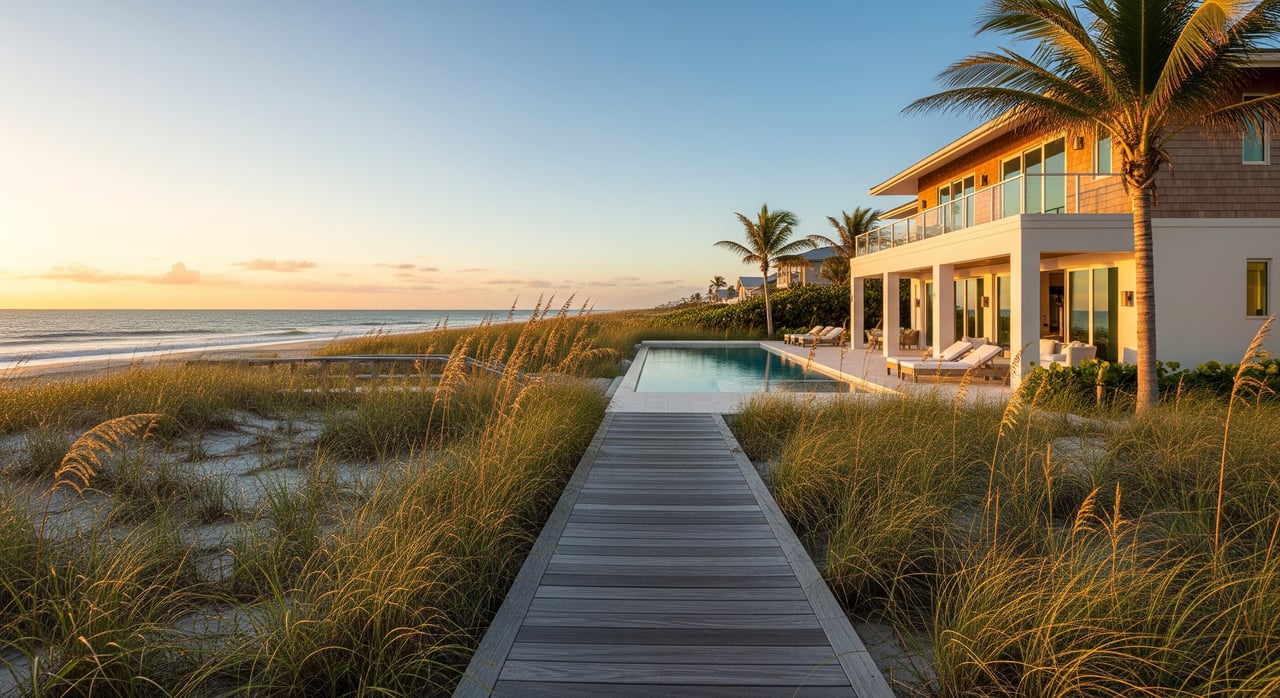
Even in season, the vibe stays relaxed. You won’t find a long commercial boardwalk or neon‑lit strip. Streets are residential, with mature dunes, sea grapes, and pockets of local shops and restaurants.
Public beach access is part of your everyday life, with preserved dunes and stretches that feel natural. This coastline is adjacent to the Archie Carr National Wildlife Refuge, one of North America’s most important nesting areas for loggerhead and green sea turtles.
That conservation focus shapes local life. You’ll see turtle‑friendly lighting rules during nesting season and occasional beach access guidelines at night. Many residents volunteer for beach cleanups and turtle patrols, which adds to the town’s stewardship culture.
With the ocean to the east and the Indian River Lagoon to the west, you have two waterways to enjoy. Residents fish from the surf, cast off docks, or launch boats and kayaks for inshore and offshore adventures.
The Indian River Lagoon is an estuarine biodiversity hotspot. It’s common to spot manatees, dolphins, and shorebirds while paddling. Kayaking at sunrise or sunset is a favorite way to unwind after work.
Melbourne Beach leans local. Expect family‑run restaurants, cafés, and surf shops rather than big retail centers. For full‑service grocery stores, specialty shopping, and a wider range of restaurants, you’ll typically head to the mainland areas of Melbourne, Viera, or Merritt Island.
State Road A1A runs the length of the barrier island and connects you to Indialantic and the causeways over to the mainland. Once across the river, U.S. 1 and I‑95 provide regional access to jobs, shopping, and airports.
Many residents drive to employment centers in Melbourne, Palm Bay, Patrick Space Force Base, or Kennedy Space Center. Commuting to Orlando is feasible, but it is a longer drive and depends on traffic patterns.
Space Coast Area Transit provides regional bus service, though most residents rely on cars for daily needs. For air travel, you’ll use Melbourne Orlando International Airport for convenience and Orlando International Airport for a broader flight network.
Public schools serving Melbourne Beach are part of Brevard County Public Schools. School boundaries and assignments can change, so confirm the zoned elementary, middle, and high schools with the district for any property you’re considering.
Primary and emergency healthcare is readily accessible in nearby Melbourne, where regional hospitals and clinics provide care. Urgent care centers are located throughout the area for everyday needs.
Higher education options in the broader Melbourne area include Eastern Florida State College and the Florida Institute of Technology, both within a reasonable drive from the island.
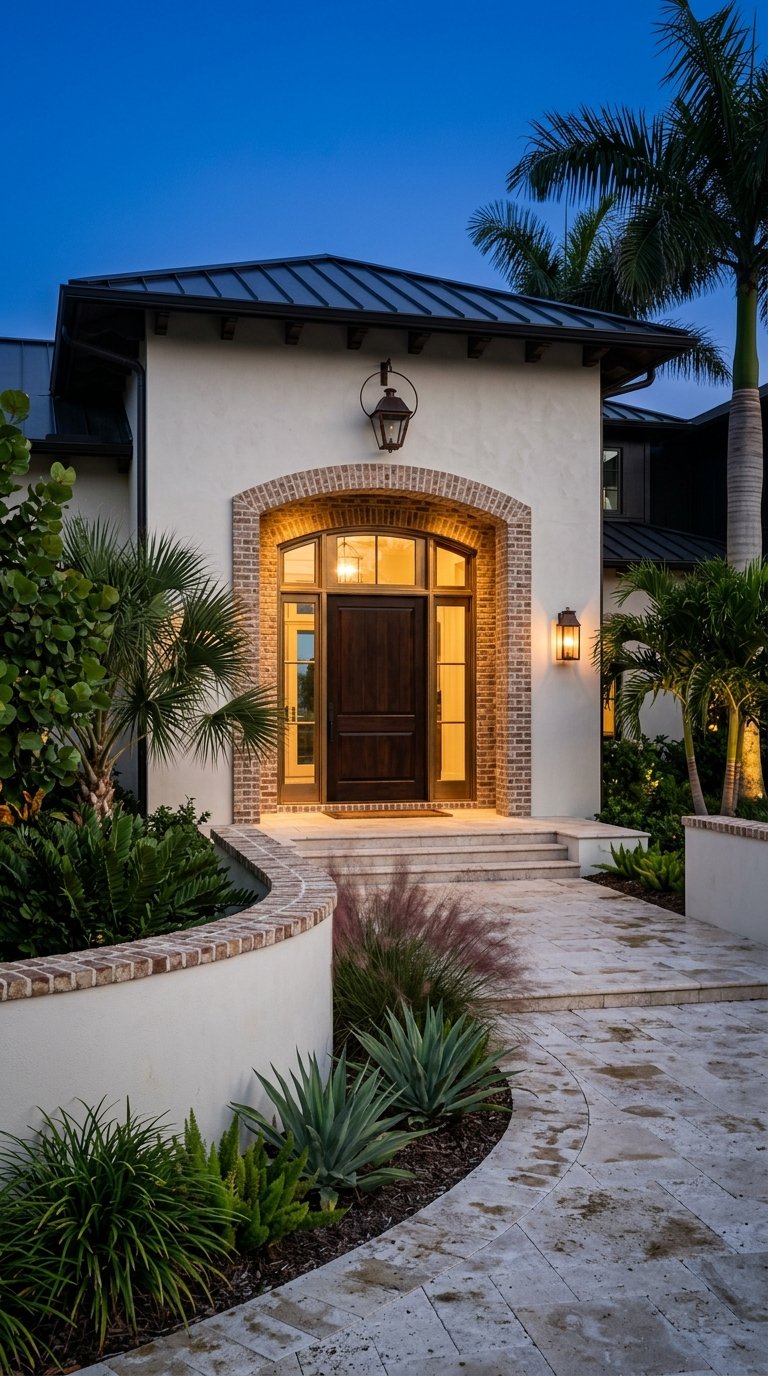
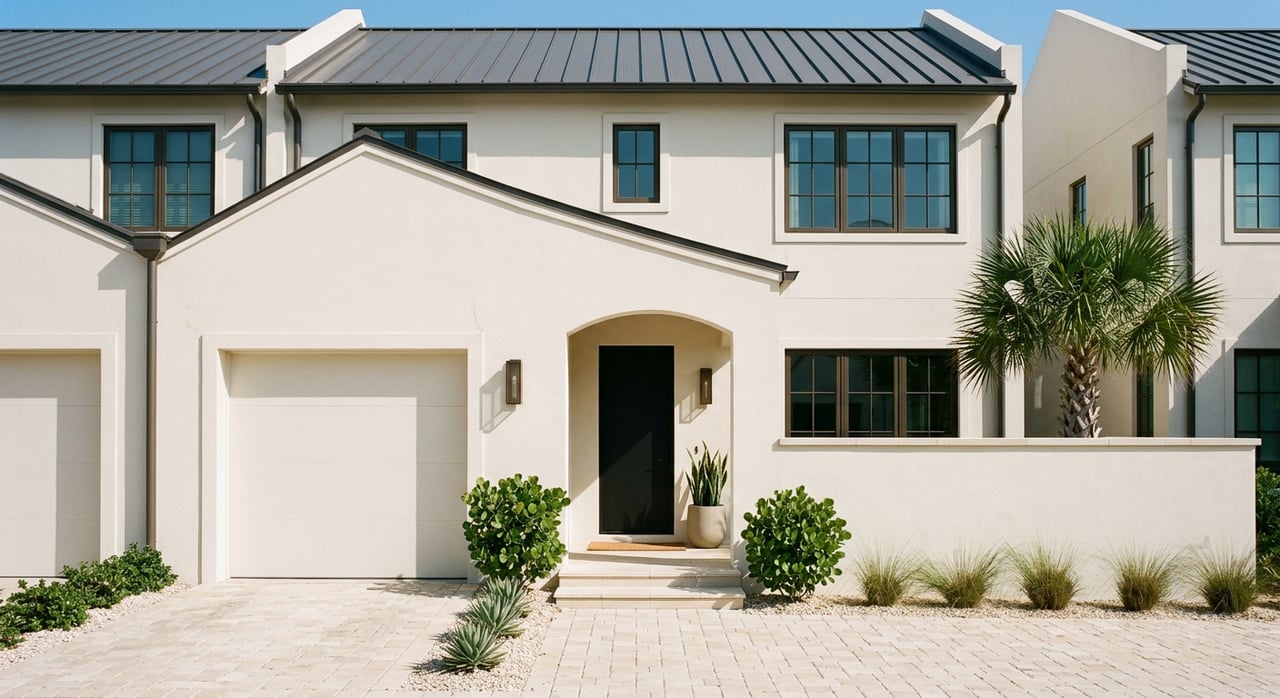
You’ll find a mix of single‑family homes, beachfront residences, canal‑front houses with docks, and select condominiums. Architecture ranges from classic beach cottages to elevated, newer builds designed to meet coastal wind and elevation codes.
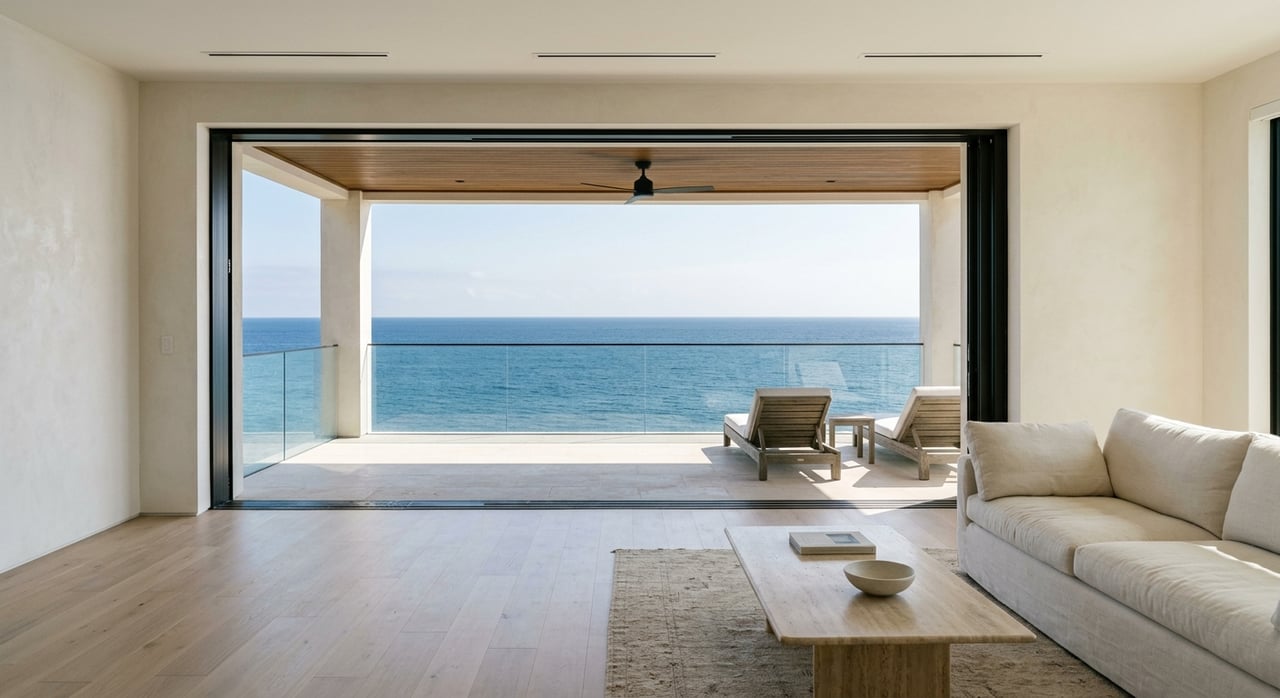
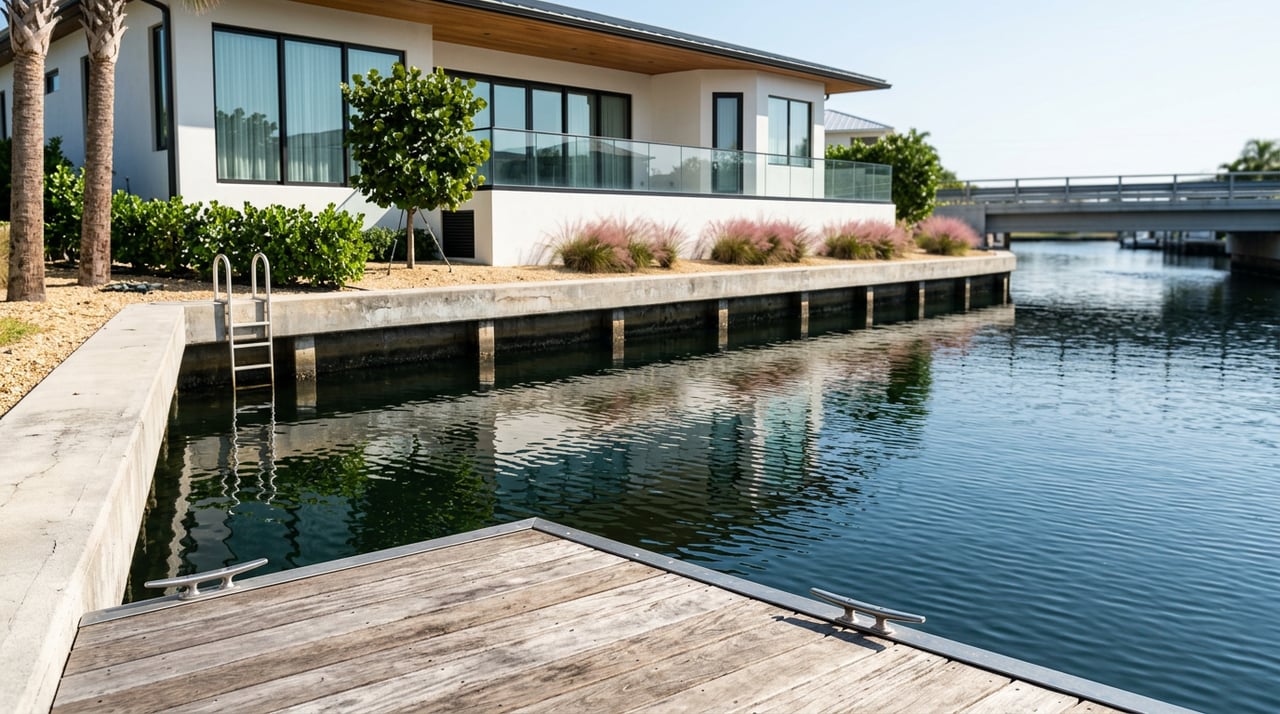
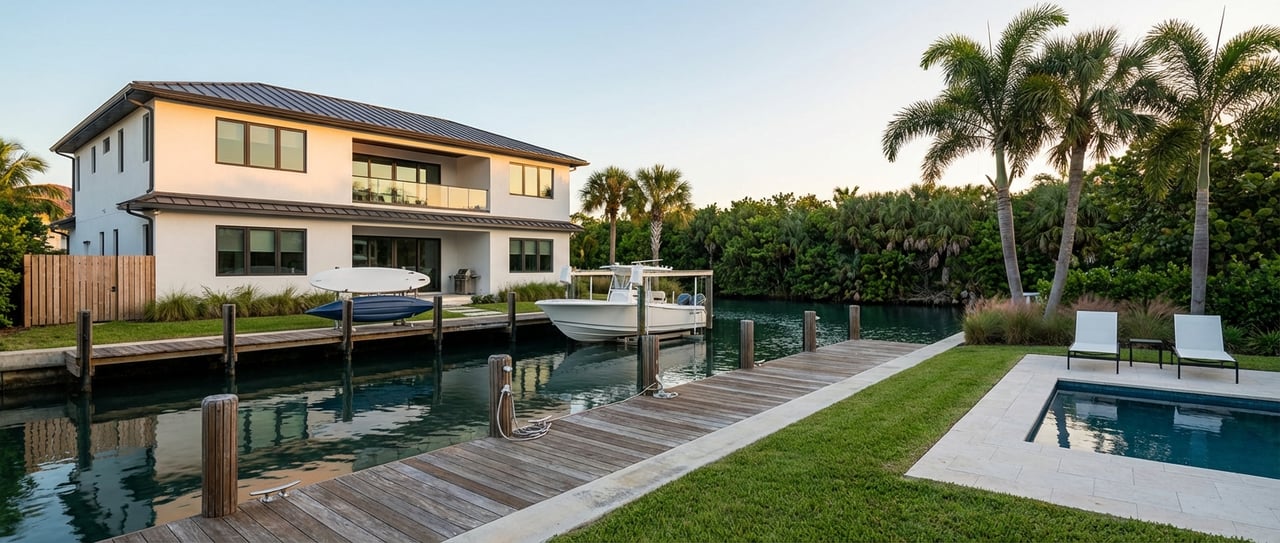
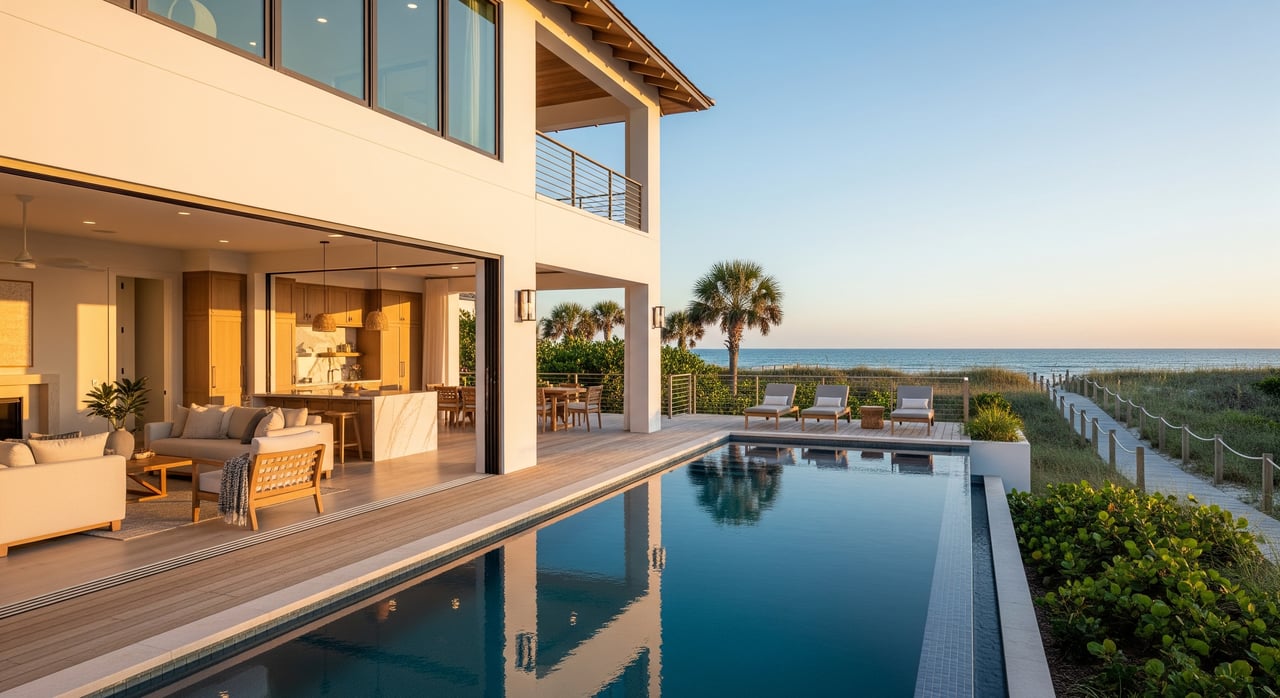
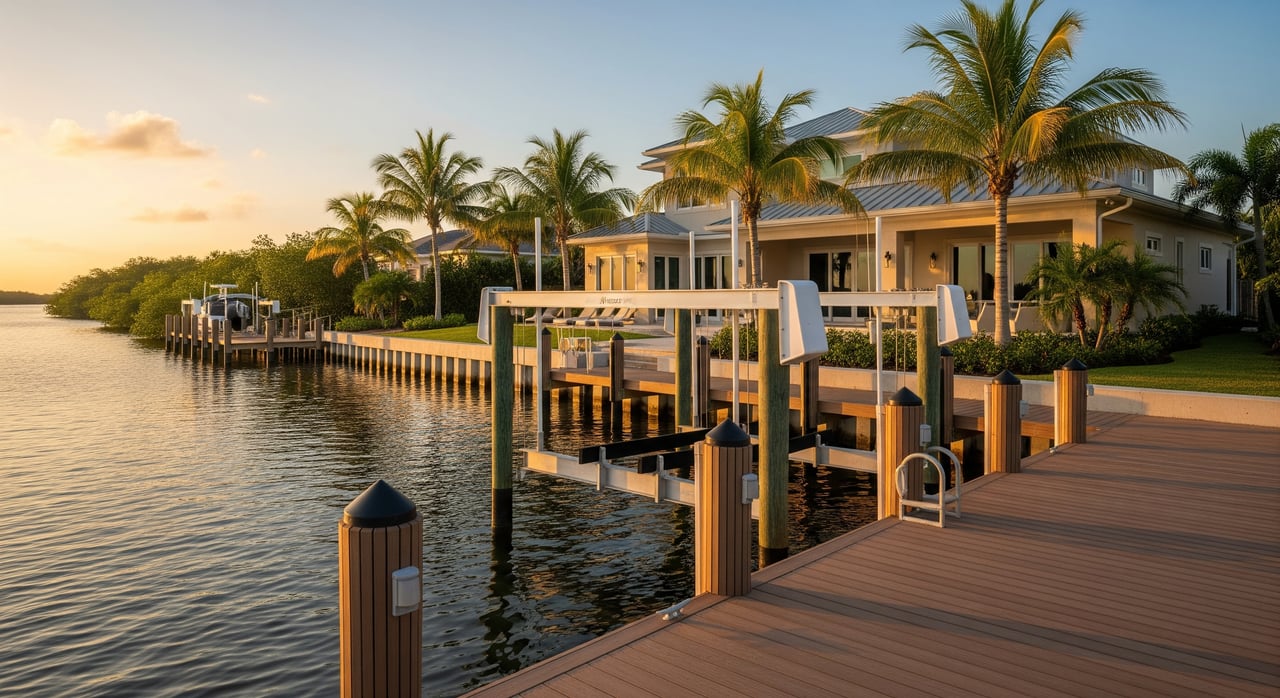
Waterfront and water‑access properties are the signature draw. Oceanfront homes command a premium for direct beach access and views, while riverfront and canal‑front homes appeal to boaters seeking quick access to the Intracoastal Waterway.
Because the town is small with limited developable land, inventory tends to be tighter than on the mainland. Seasonal demand can increase activity as winter residents and second‑home buyers enter the market.
If you are comparing neighborhoods, remember that coastal premiums vary by proximity to the ocean or Intracoastal and by lot characteristics such as elevation, seawalls, and dockage. For the most accurate read on pricing and days on market, review current MLS data and recent local sales.
Florida has no state income tax, which many buyers consider as part of their overall cost of living. Property taxes are levied by Brevard County and local jurisdictions, and a homestead exemption is available for primary residences if you meet the requirements.
Coastal ownership also means planning for insurance. Many properties fall within FEMA flood zones that require separate flood policies, and windstorm coverage is common for homes near the coast. Premiums have trended upward in recent years in many Florida markets, so it is smart to obtain quotes early in your search.
Newer or renovated homes typically meet stricter coastal codes for wind and elevation. Features like impact glass, shutters, and proper roof attachments can improve resilience and may influence insurance costs.
Short‑term rentals exist but are regulated by local ordinances and homeowner associations. Always verify the rules, permits, and minimum‑stay requirements for any property. Long‑term rentals are available, though returns differ from higher‑traffic tourist markets. Seasonality and vacancy rates should be part of your due diligence.
Melbourne Beach has a humid subtropical coastal climate, with hot, humid summers and mild winters. Summer highs are typically in the upper 80s to 90s Fahrenheit, while winter temperatures commonly range from the 50s to 70s.
Afternoon thunderstorms are frequent in summer. The Atlantic breeze keeps evenings pleasant on many days, and the shoulder seasons are especially comfortable for outdoor activities.
Hurricane and tropical storm risk is part of life along Florida’s coast, primarily from summer into fall. Local emergency planning, evacuation routes, and home hardening are important topics to review before you buy.
Many properties are in FEMA‑mapped flood hazard areas or subject to storm surge. Flood insurance requirements will depend on your property’s zone and elevation. Elevation certificates and up‑to‑date flood maps help you understand risk and potential costs.
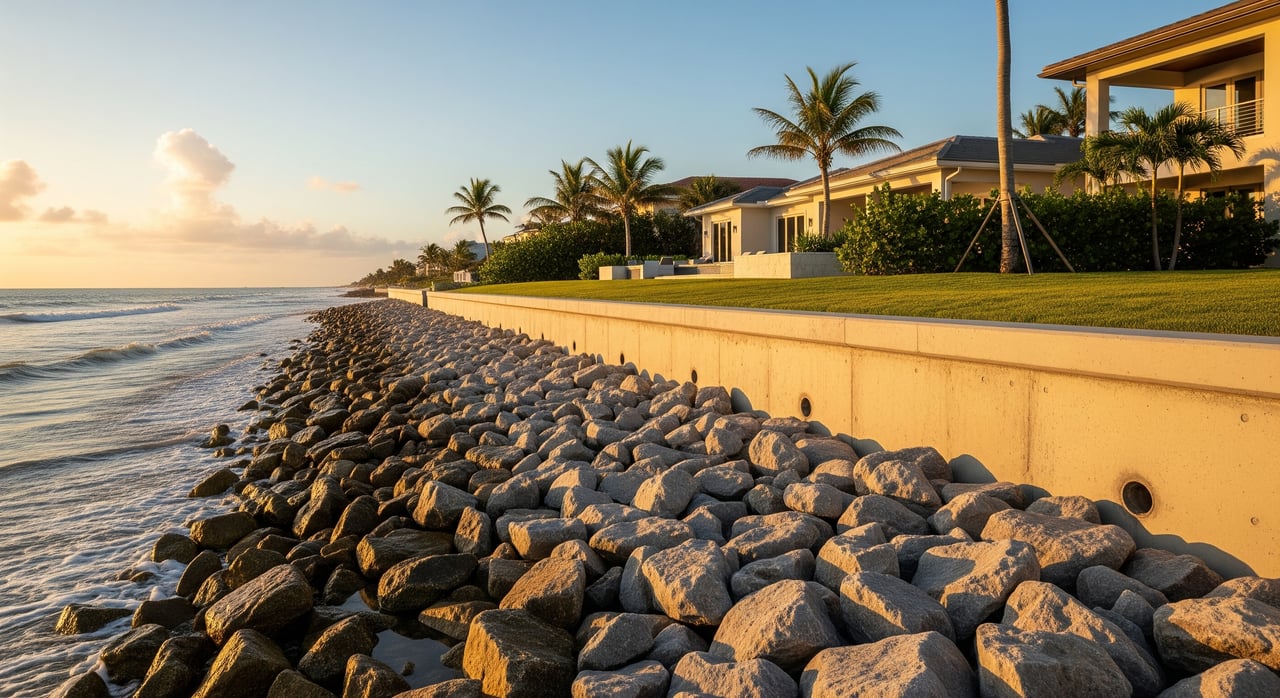
Coastal processes like erosion and sea level rise are ongoing considerations for homeowners and local governments. Beach renourishment and dune restoration occur periodically to protect shorelines.
Environmental stewardship is a point of pride. Turtle‑friendly lighting ordinances help safeguard nesting beaches, and Indian River Lagoon restoration is an active regional focus. Volunteers and civic groups play a visible role in conservation and community events.
You are never far from the water. Surfing, surf fishing, beachcombing, and long shoreline walks define daily life. On the lagoon side, kayaking, paddleboarding, and flats fishing are regular pastimes.
Regionally, you’ll find surfing competitions, fishing tournaments, birding spots, and scenic paddling routes. Golf, tennis, and fitness options are available in surrounding communities on the mainland.
Melbourne Beach hosts small‑town gatherings, holiday parades, and conservation‑driven events like beach cleanups. For larger arts, dining, and entertainment options, downtown Melbourne and nearby hubs provide galleries, concerts, and a broader restaurant scene.
After dark, the island is relaxed and low‑key. You will find local bars and restaurants, sometimes with live music, but the overall scene stays calm compared with bigger tourist destinations.
When you are ready to explore on‑ and off‑market opportunities, work with a local specialist who understands both the neighborhood nuances and the premium waterfront segment. For tailored guidance and discreet buyer representation on the Space Coast, connect with Jamie Dandridge to chart your next move.
Stay up to date on the latest real estate trends.
Trust him for distinguished real estate service along Melbourne Beach’s coast. With his luxury-market expertise, local insight, and dedicated support, he ensures your buying or selling journey is seamless and successful.