Top Cocoa Beach Neighborhoods for Boaters & Beach Lovers
February 19, 2026
February 19, 2026
Torn between keeping your boat out back and stepping onto soft sand in minutes? In Cocoa Beach, you do not have to choose. This barrier island blends calm canal living, quick access to the Atlantic, and a truly walkable beach lifestyle. In this guide, you will see which areas fit boaters, which favor beach lovers, and how to pick the right spot for your daily rhythm. Let’s dive in.
Cocoa Beach sits between the Atlantic Ocean and the Banana River, part of the Indian River Lagoon. That setting creates a rare mix of surf beaches, quiet canals, and wildlife‑rich estuary. You will find protected waterways for paddling and dockage, plus open water for offshore runs. For a deeper look at the estuary’s character and protected zones, review the Banana River overview from the Indian River Lagoon guide.
Just north of town, Port Canaveral serves as the deep‑water gateway to the Atlantic. Its marked channel, turning basins, and harbor rules shape how and where you run larger boats. If offshore access or marina services are on your must‑have list, start with Port Canaveral’s official harbor and tariff information to understand depths, anchorages, and operating guidelines.
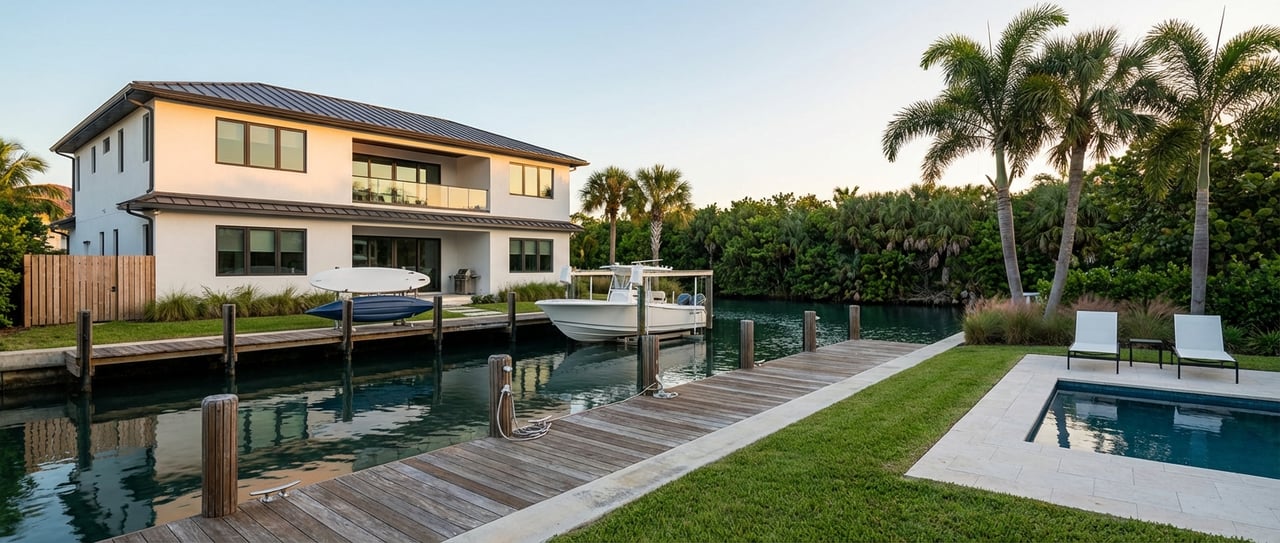
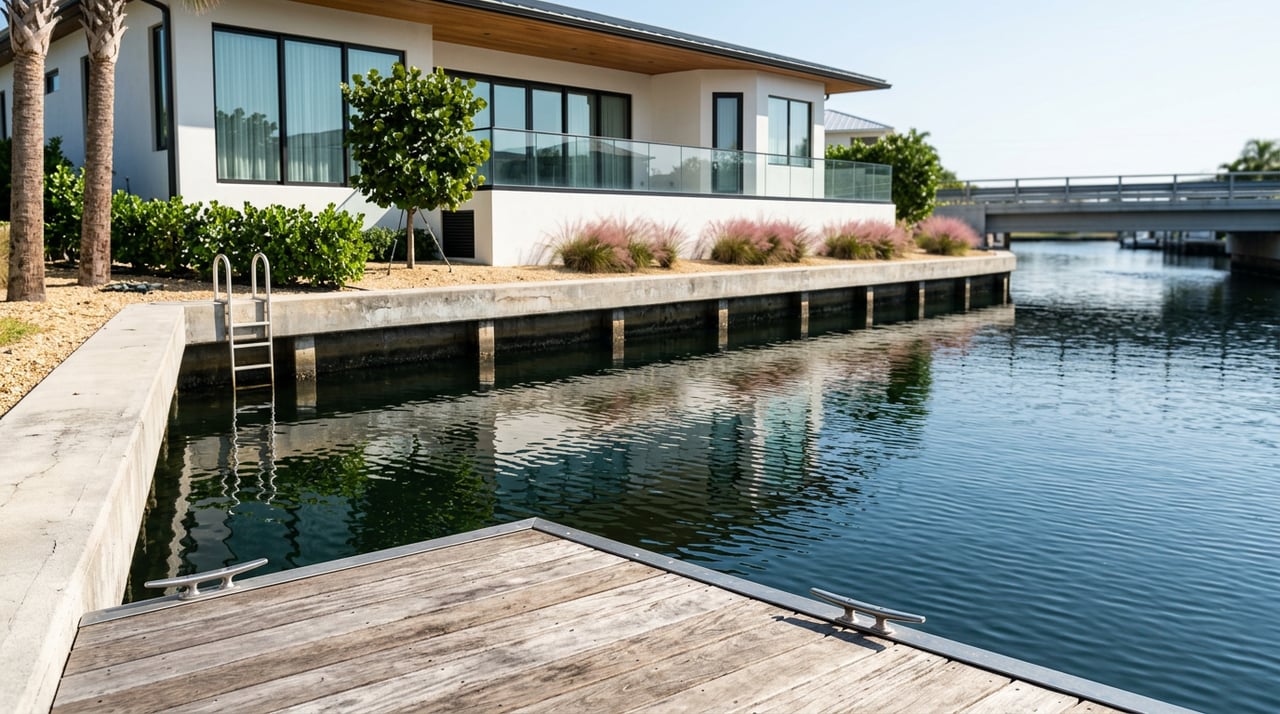
Canal homes line man‑made and natural canals that feed the Banana River. You get calm water, in‑yard fishing, and quick launch options for small to mid‑size boats. Weigh the tradeoffs: usable boat size depends on canal width, depth at low tide, and any fixed bridges on your route. Owners typically maintain their docks and seawalls, and some canals have shared dredging obligations you will want to confirm before you buy.
On the Banana River and Indian River Lagoon, you enjoy bigger water views, wildlife, and straightforward access to marked channels. Many residents stage from private docks or nearby marinas to reach Port Canaveral and the Atlantic. Parts of the lagoon include manatee protections, no‑motor areas, and slow‑speed zones, so map those rules to your boating plans using reliable lagoon resources.
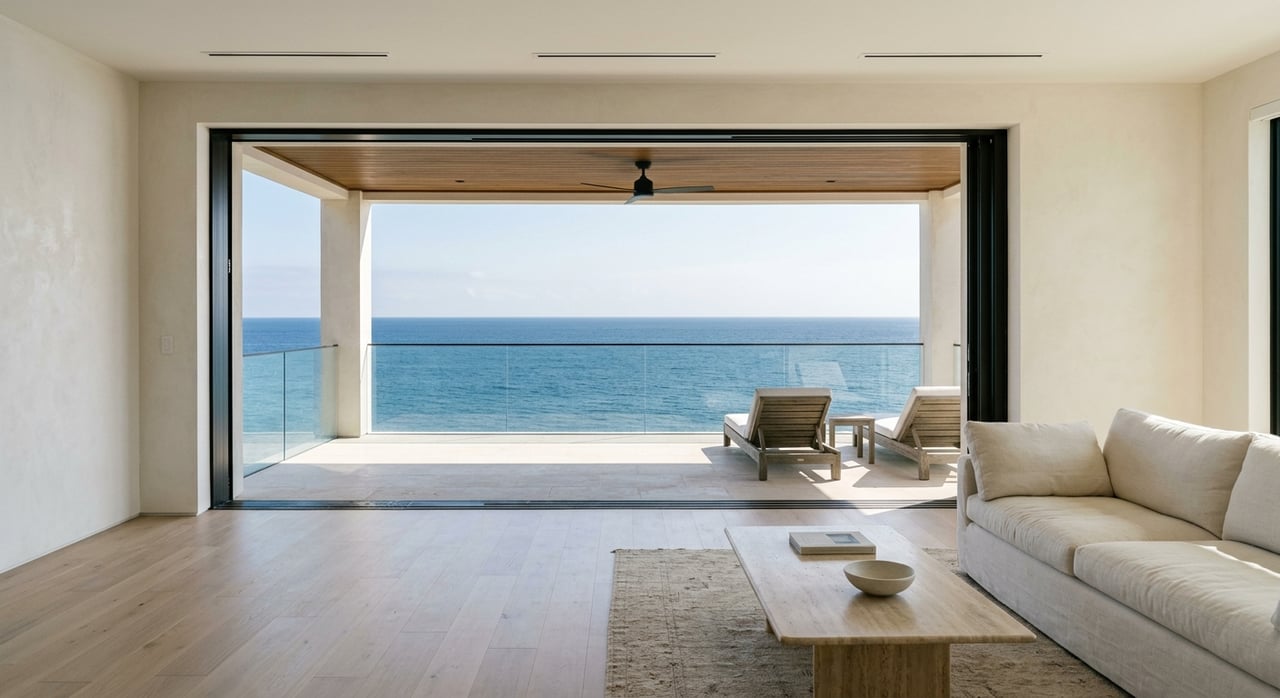
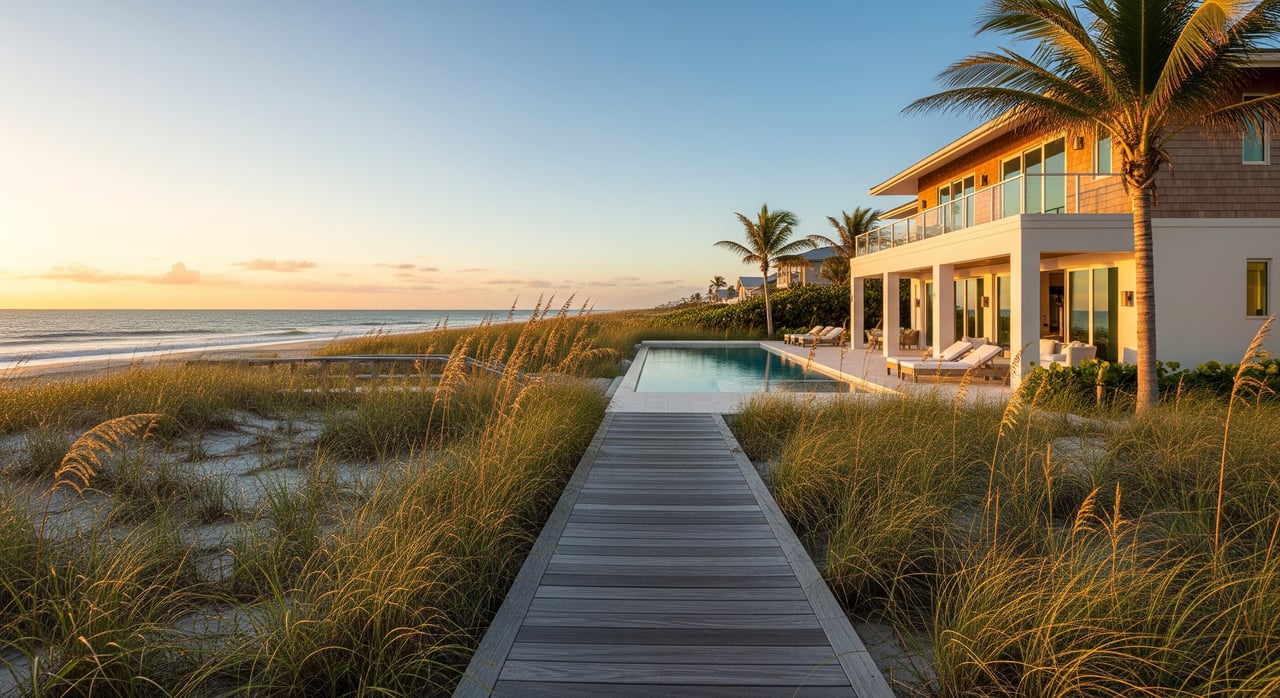
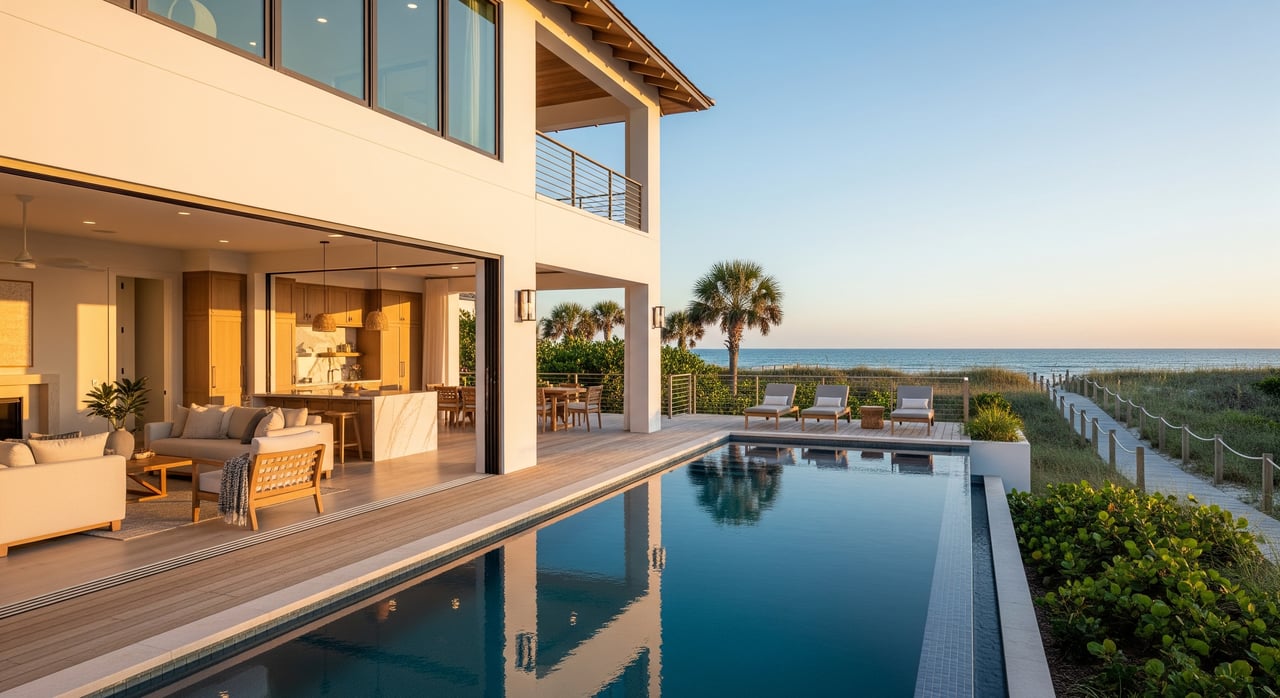
Oceanfront homes and condos trade sheltered dockage for an easy beach lifestyle. You can walk to sunrise, catch surf near the Pier and Lori Wilson Park, and enjoy day‑to‑day simplicity. Expect coastal permitting considerations, sea turtle nesting season lighting rules, and typically higher insurance needs on exposed oceanfront. For surf insights and local breaks, see Surfline’s Brevard County overview.
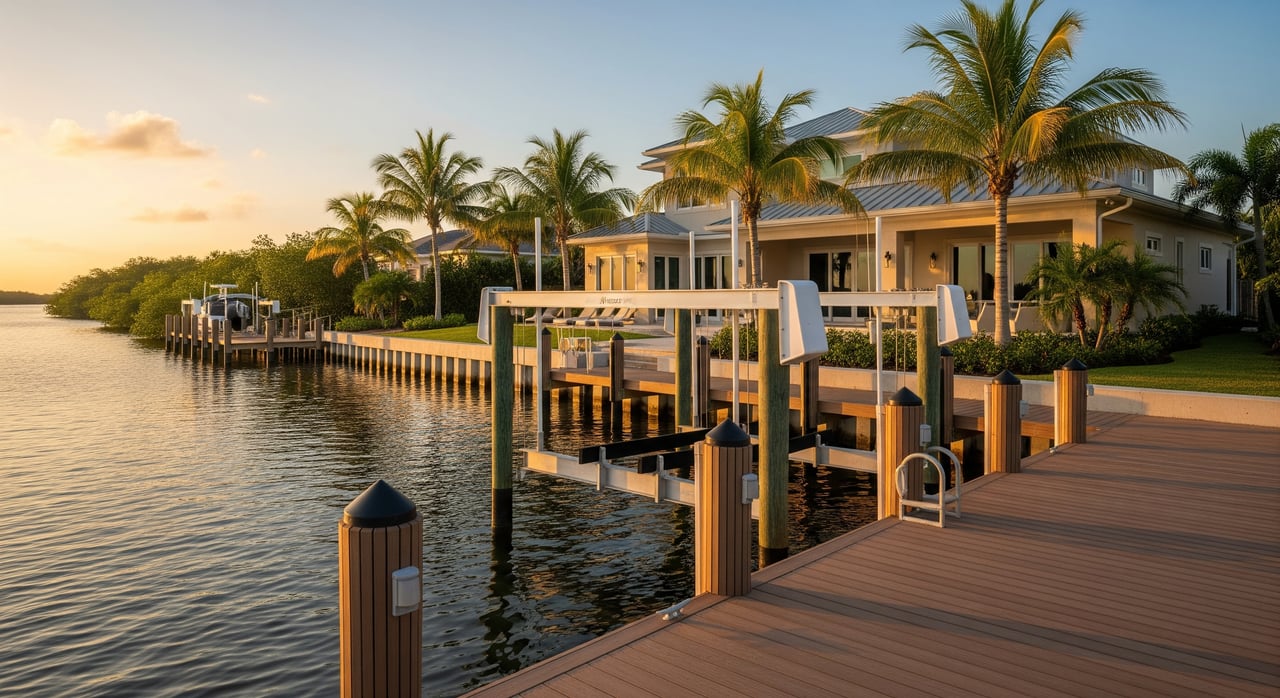
River Isles sits along central Cocoa Beach canals that route quickly to the Banana River’s wider channels. Many lots include private docks and lifts, which is ideal if you want your boat at home rather than at a marina. Boat size and draft vary by canal, so verify depth at mean low water and any fixed‑bridge clearances when touring.
In south and central Cocoa Beach, these classic canal neighborhoods prioritize protected water over ocean views. You get easier docking, less exposure, and a quieter waterfront setting. If you value a short ride to groceries and dining plus straightforward water access, this cluster is a strong fit.
Owners of larger boats often prefer Port Canaveral for guaranteed depth, fuel, and yard services. Facilities like Cape Marina publish wet and dry storage options, haul‑out, and mechanical support, all with direct access to the Atlantic via the port channel. For harbor depths, anchorage rules, and contact info, consult Port Canaveral’s official tariff and harbor pages.
If you trailer your boat, two public ramps near the port make ocean days simple. Freddie Patrick Park near Jetty Park offers multiple lanes and quick access to the channel, and Rodney S. Ketcham Park is another well‑used launch nearby. Weekend parking fills fast, so plan your arrival accordingly. Preview the Freddie Patrick Park ramp details before you go.
The Pier is the walkable heart of Cocoa Beach. Live a few blocks from Meade Avenue and you can stroll to restaurants, surf culture, and the sand. For an overview of what makes the Pier area special, visit this guide to the Westgate Cocoa Beach Pier.
Mid‑island, Lori Wilson Park offers a boardwalk through dunes, shade, and a relaxed beach vibe. Homes and condos nearby give you a low‑key beach day without driving. See a roundup of Brevard’s best beaches that highlights why locals prize Lori Wilson Park’s easy access and amenities.
Farther south, you will find longer stretches of sand, more oceanfront condos and single‑family homes, and fewer day‑trippers. If you like quiet walks and sunrise coffee on the balcony, put South Cocoa Beach on your list. You will trade a longer walk or quick drive to Pier nightlife for that added sense of space.
On the north end, Jetty Park in Cape Canaveral combines a family‑friendly beach day with ship and launch viewing. It is not within Cocoa Beach proper, yet many buyers love having it a short drive away. Get a feel for the park’s pier and amenities here.
Cocoa Beach is a true surf town. The Pier and Lori Wilson Park often host reliable breaks, and you can check conditions and seasonal trends using Surfline’s Brevard guide. If surfing is part of your weekly routine, choose a home that lets you walk to your preferred access point.
Ready to explore Cocoa Beach with a guide who lives this lifestyle every day? Reach out to Jamie Dandridge for a curated tour of canal, riverfront, and oceanfront options that match your boat, your beach routine, and your long‑term goals.
Stay up to date on the latest real estate trends.
Trust him for distinguished real estate service along Melbourne Beach’s coast. With his luxury-market expertise, local insight, and dedicated support, he ensures your buying or selling journey is seamless and successful.